MO2ONE
NANO
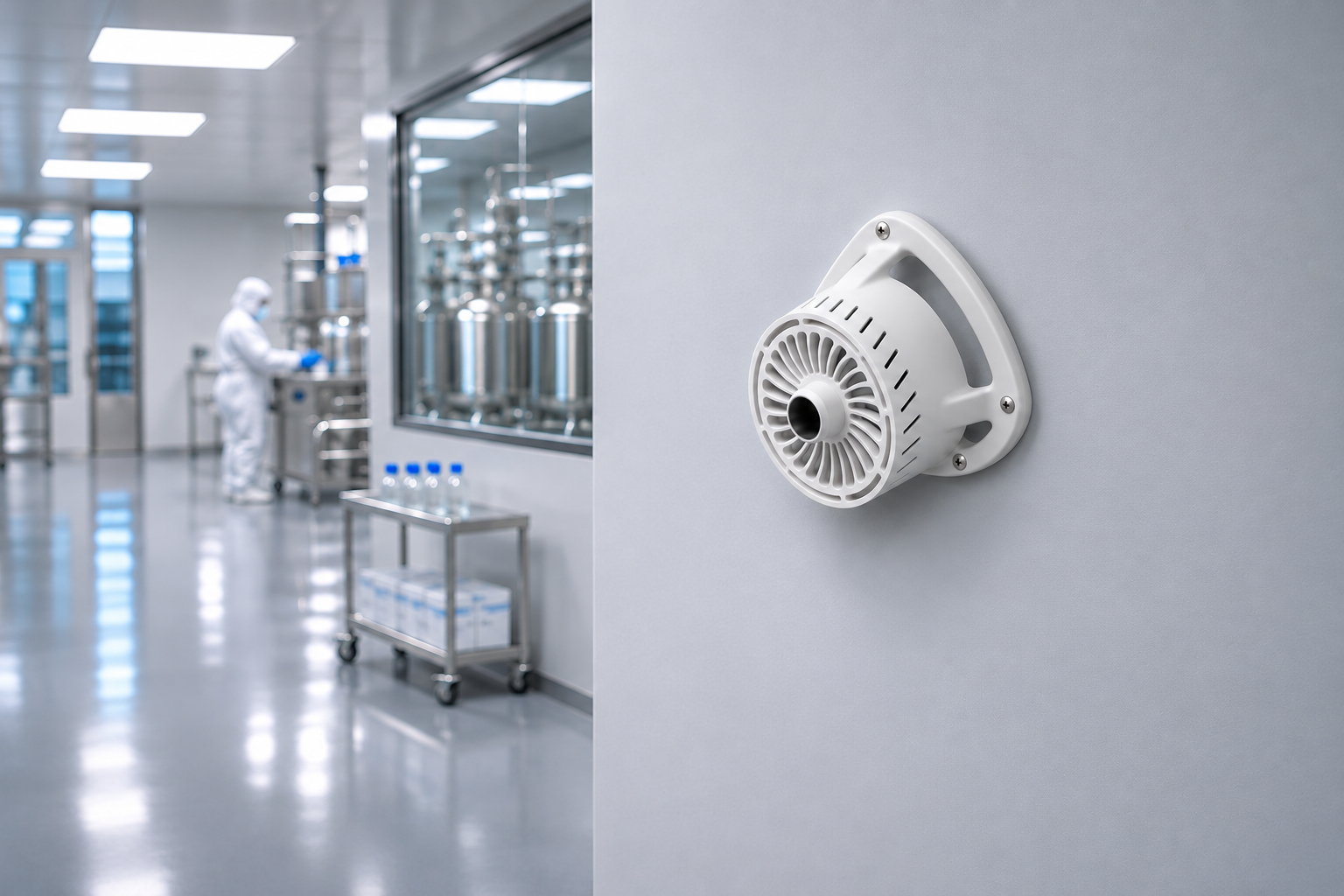
Integrated disinfection for equipment and small volumes
NANO1: 300 mL/h, up to 10 m³. NANO5: up to five independently controlled modules.
Operation and model details →
CONTAMINATION CONTROL TECHNOLOGIES
Airborne surface disinfection technologies, integrated and standalone equipment, and microbiological expertise for critical environments.
ONE TECHNOLOGY FAMILY
One range, two complementary architectures: modules built into installations and standalone equipment.
 From contained volumes to industrial environments
Modules installed in walls or ceilings, controlled by the site's HMI or PLC via RJ45 Ethernet (TCP/IP / Modbus TCP).
MO2ONE
Integrated disinfection for equipment and small volumes
NANO1: 300 mL/h, up to 10 m³. NANO5: up to five independently controlled modules.
Operation and model details →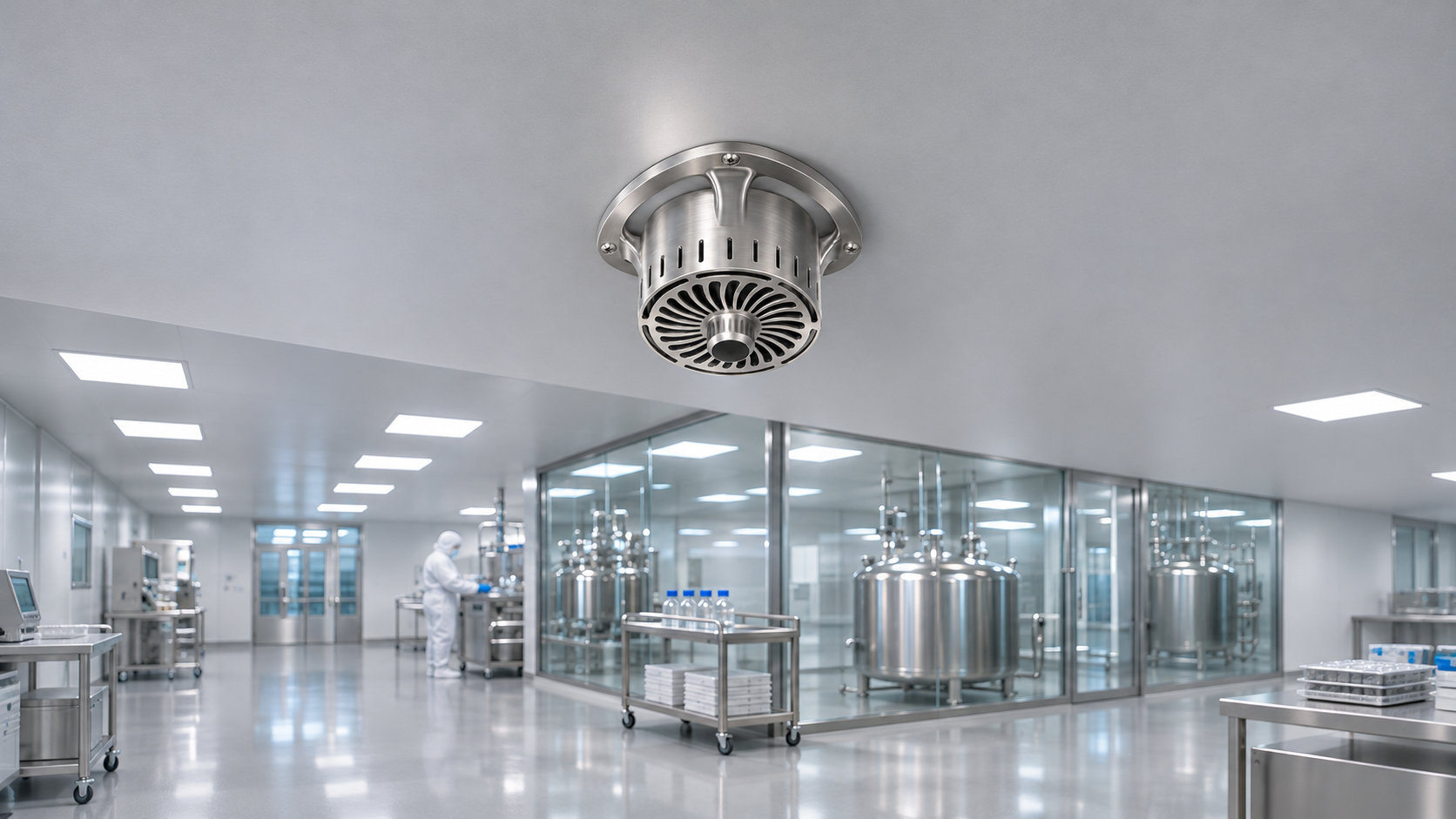
MO2ONE
Integrated disinfection for larger volumes
MICRO1: 800 mL/h, for volumes above 80 m³. MICRO5: up to five modules.
Operation and model details →ONE OPERATING PRINCIPLE
Prepare and check the liquid circuit.
Diffusion controlled by the customer HMI or PLC.
Drain the circuit after treatment.
Independent equipment designed for flexible operation according to the application and site constraints.
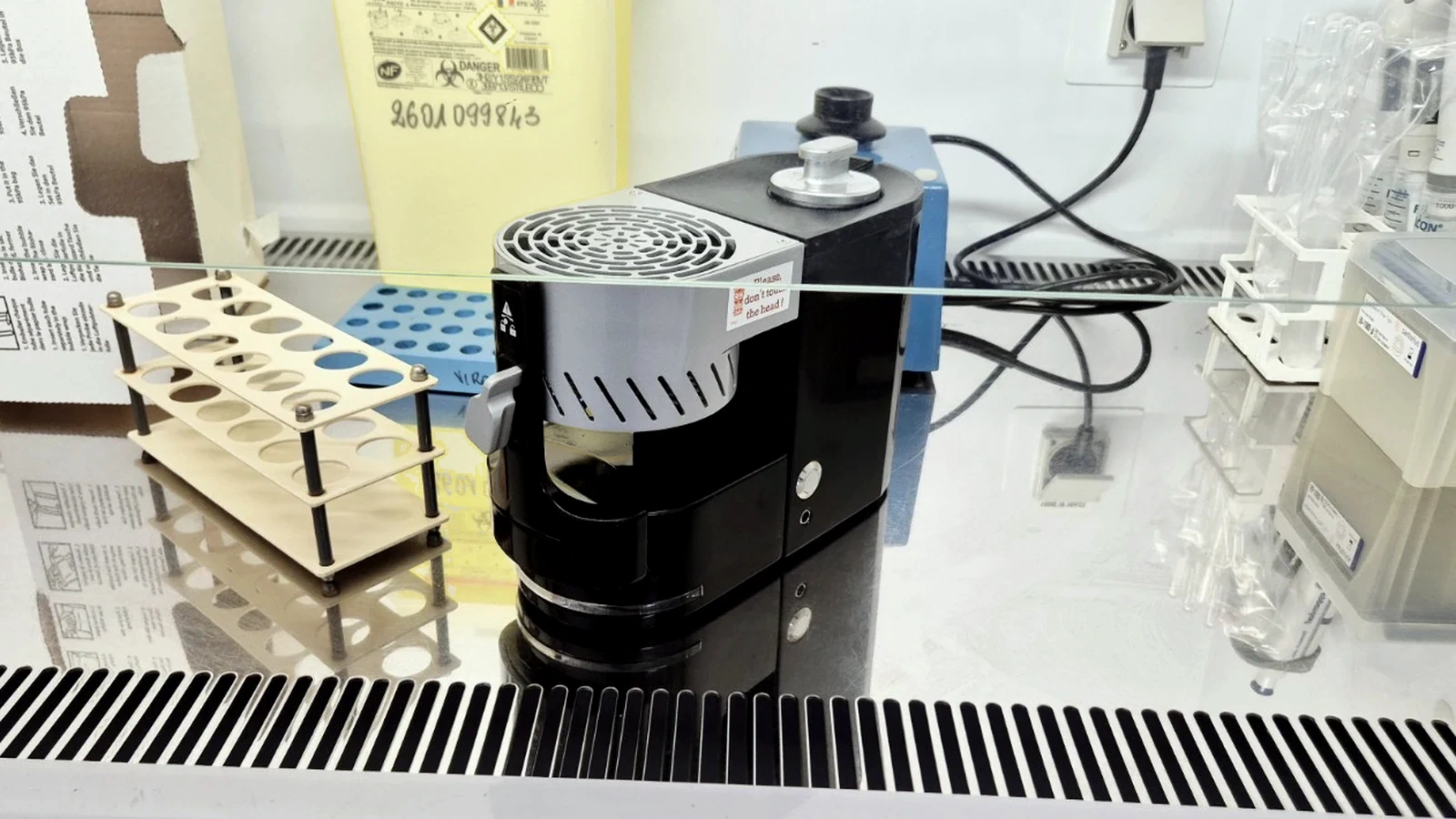
MO2ONE
Orientable head · Android/Bluetooth
0.1–25 m³ · 6 ml/min · 500 ml reservoir. Ultra-compact rotating-disc equipment for BSCs, airlocks and laboratory enclosures; programmable treatment cycles and automatic reporting.
Explore MO2ONE XS →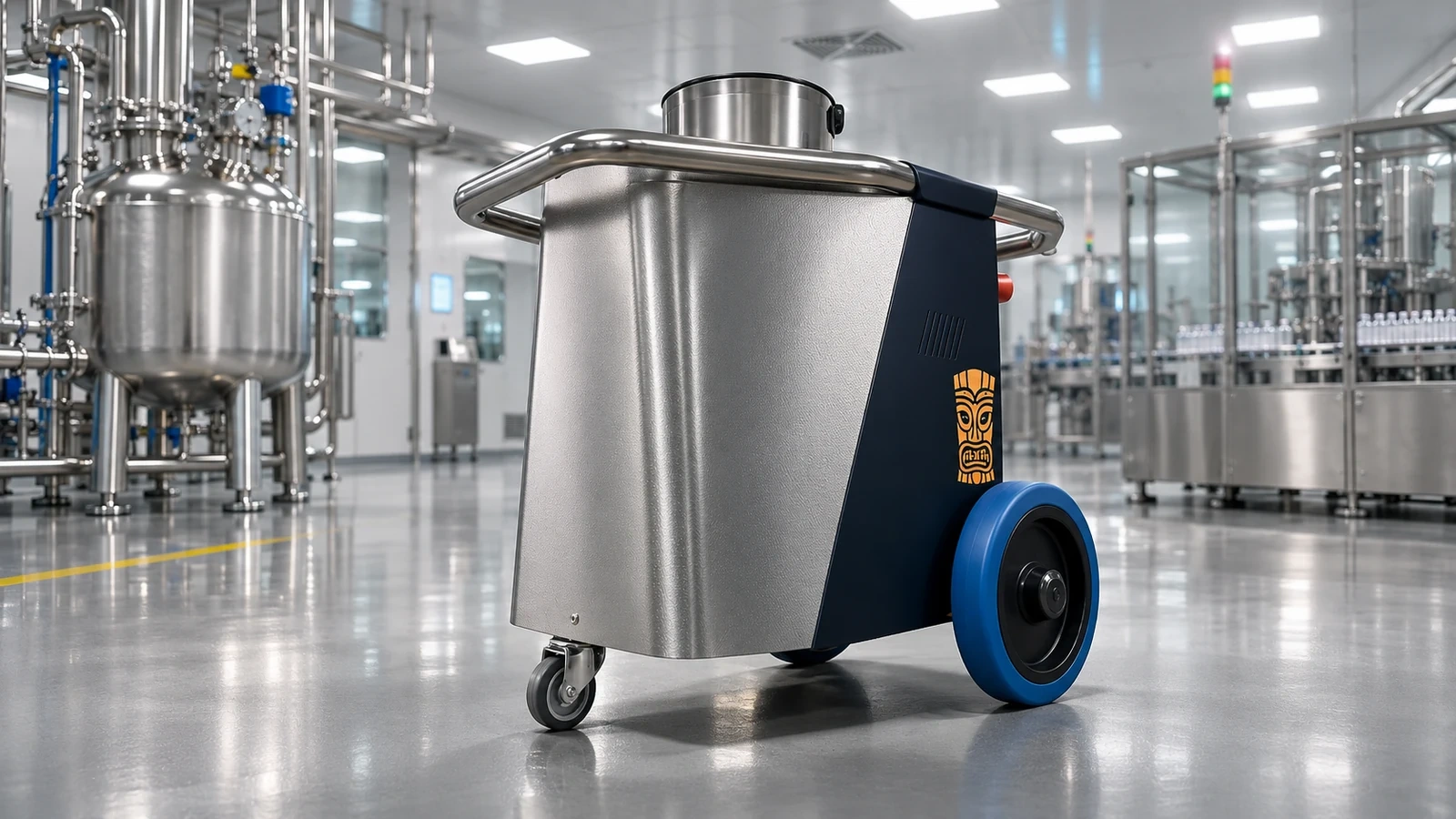
MO2ONE
Dual-head Venturi diffusion · USB traceability
20–1,000 m³ · 50 ml/min · 2 × 5 L. Two adjustable diffusion heads, automatic purge and liquid weighing; rotating or fixed operation depending on the treatment area.
Explore MO2ONE →NANO/MICRO flow rates and volume ranges come from the technical information. Final selection depends on installation layout, disinfectant and site-specific microbiological validation.
COMPLEMENTARY SOLUTIONS
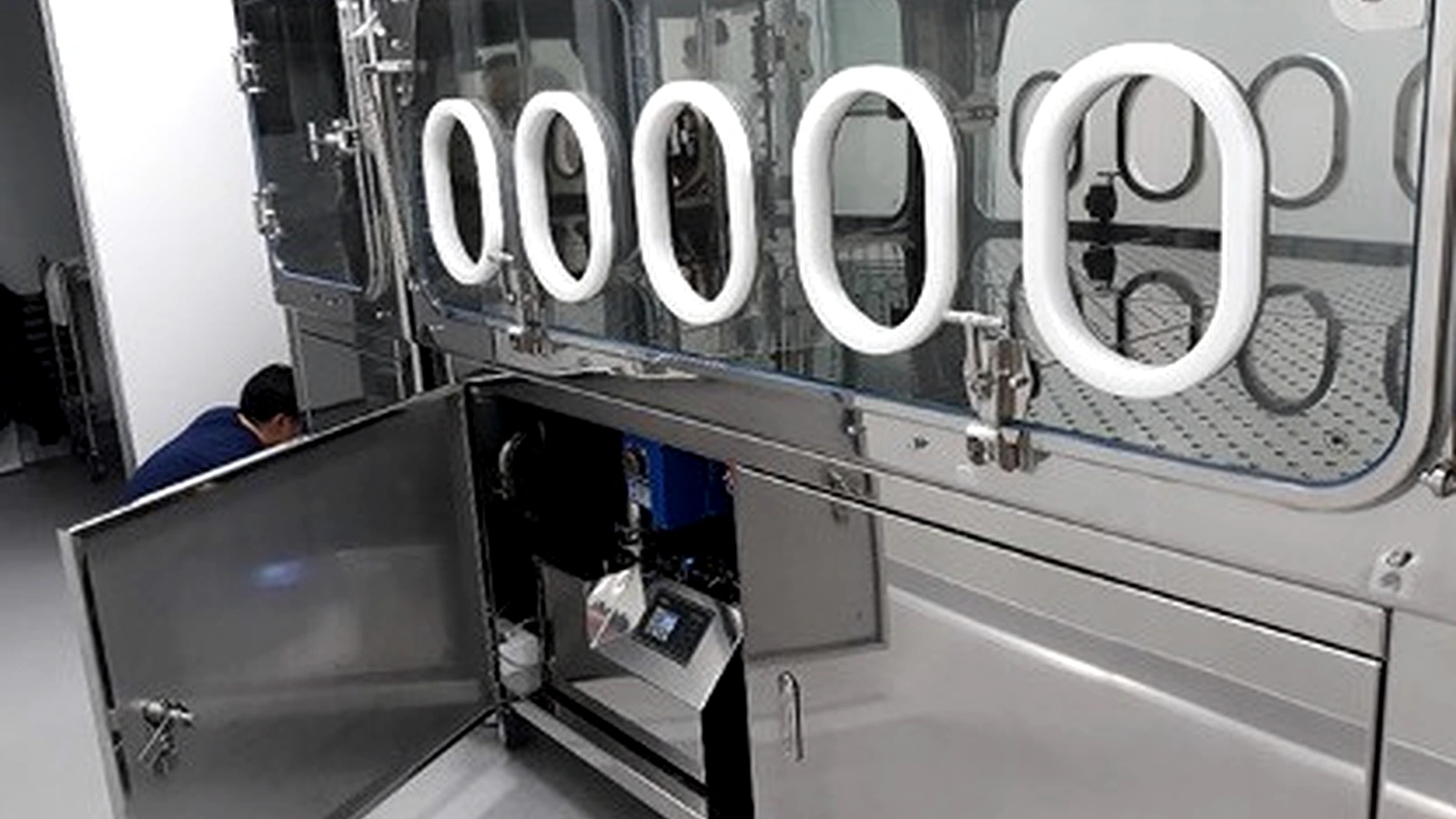
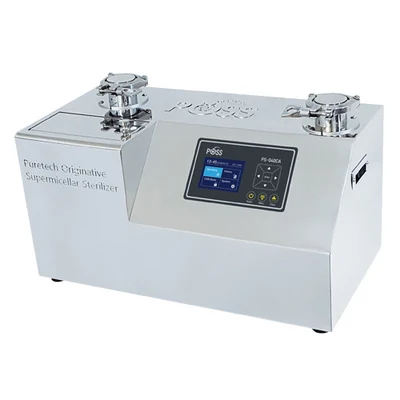
Ultrasonic systems for isolators, passboxes and cleanrooms: CA, LA, SA and PA series.
Compare POSS models →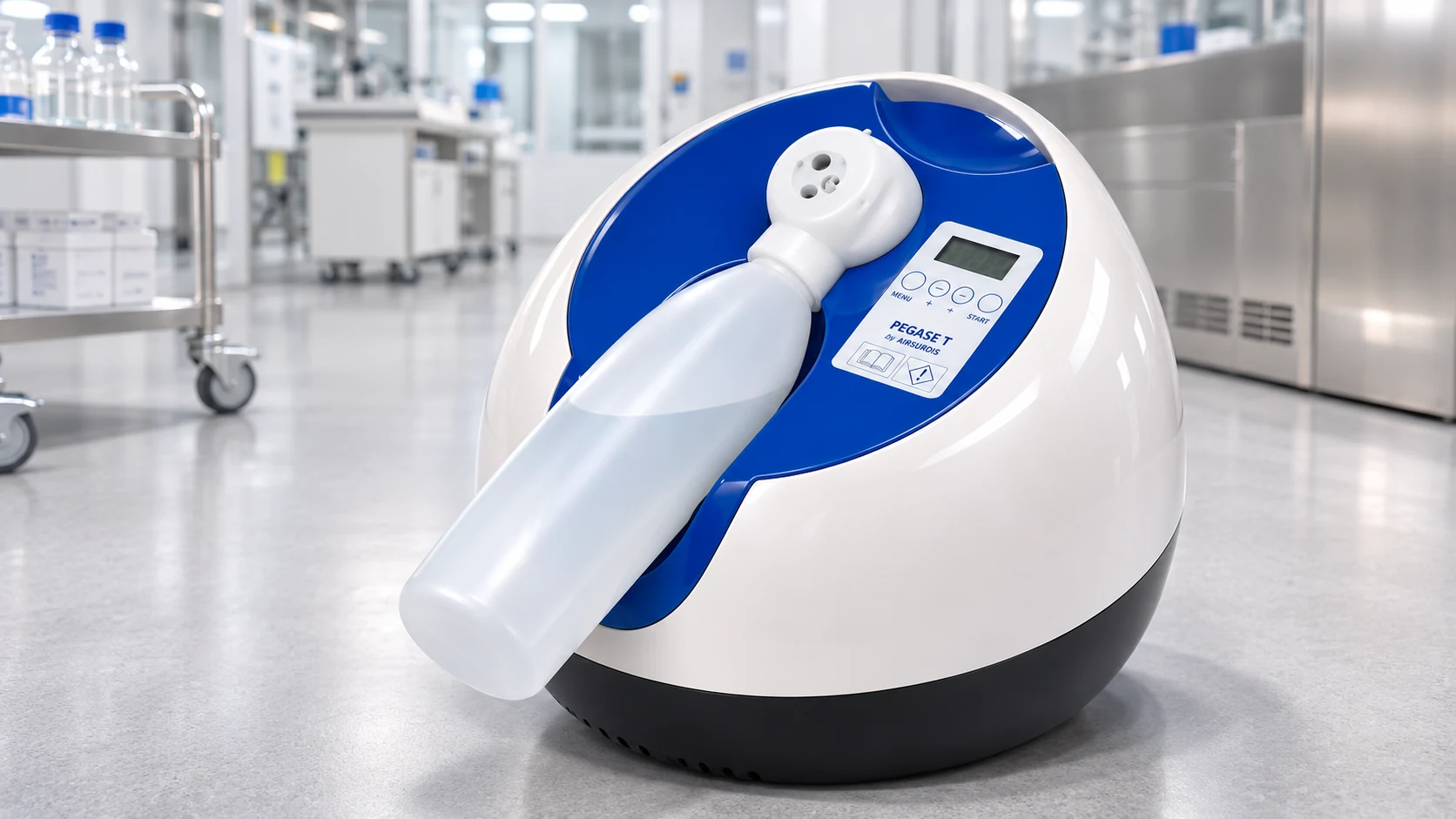
Portable, programmable equipment for a variety of professional environments.
Explore PEGASE →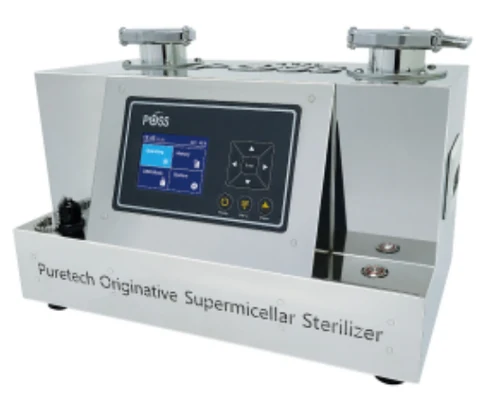
BIOCIDE FOR AIRBORNE SURFACE DISINFECTION
SPRAY OXY PAE® is a ready-to-use professional biocidal formulation containing 7.4% hydrogen peroxide. Intended in particular for airborne surface disinfection, it is used alongside MO2ONE and PEGASE technologies in tested configurations. EN 17272 process assessments apply to specific equipment–biocide combinations and defined cycle parameters: bacteria, mycobacteria, moulds, viruses and bacterial spores are covered only within the scope of the available validations. Hydrogen peroxide decomposes into water and oxygen; conditions of use, material compatibility and re-entry times must follow the product label and applicable authorisation.
Request a compatibility assessment →An initial technical orientation for your installation.
CRITICAL ENVIRONMENTS
Cleanrooms, production areas and GMP environments.

BSCs, isolators, airlocks and research facilities.
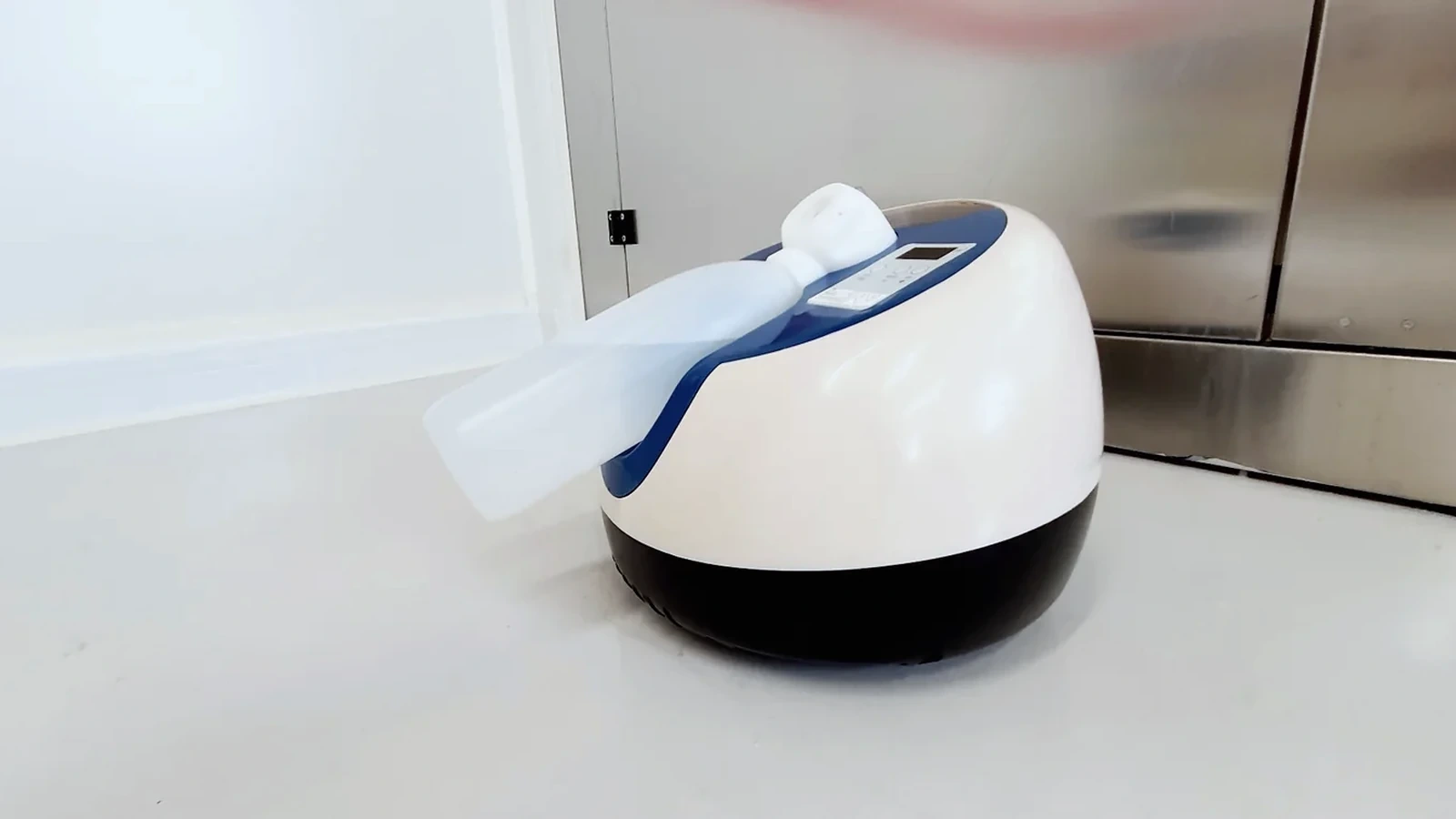
Animal rooms, corridors, airlocks, racks and technical equipment.

Processing areas, equipment and microbiological control.

Technical rooms, equipment and biological-risk areas.
SCIENTIFIC VALIDATION
Characterized processes, repeatable protocols and documented microbiological results.
AIRSURDIS LAB
A 45 m² integrated laboratory supporting AIRSURDIS technology development, microbiological test preparation and the evaluation of airborne surface disinfection (ASD) protocols.
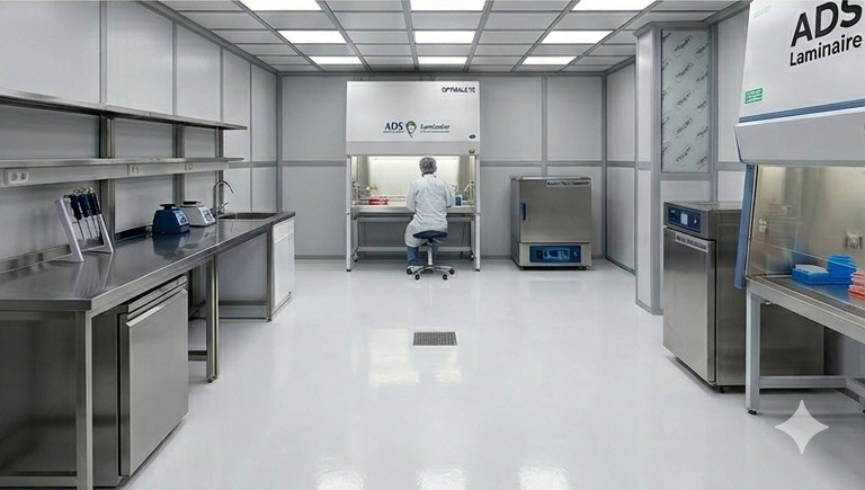
Stainless-steel worktops, cleanable surfaces and clear circulation routes for preparing and monitoring laboratory operations.
Laminar-flow workstations and technical equipment for operations requiring a controlled environment, according to each device's specifications.
Support for ASD cycle optimisation, test preparation and microbiological evaluation under applicable protocols and standards.
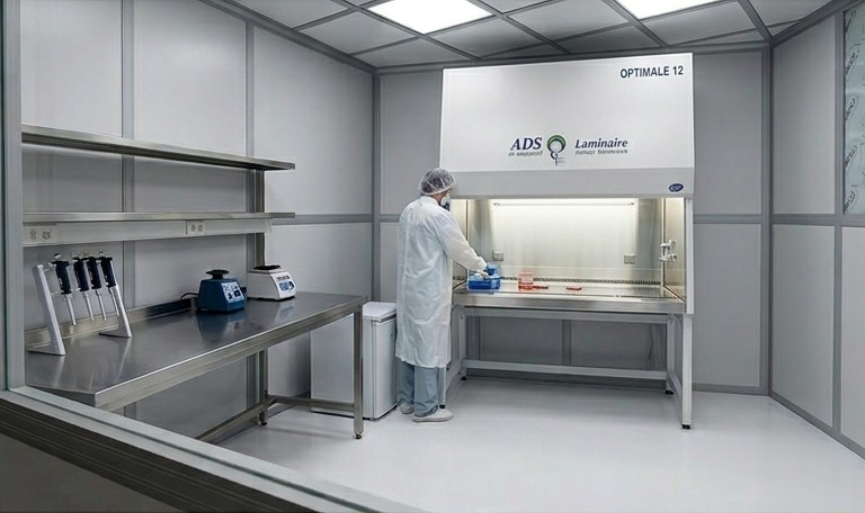
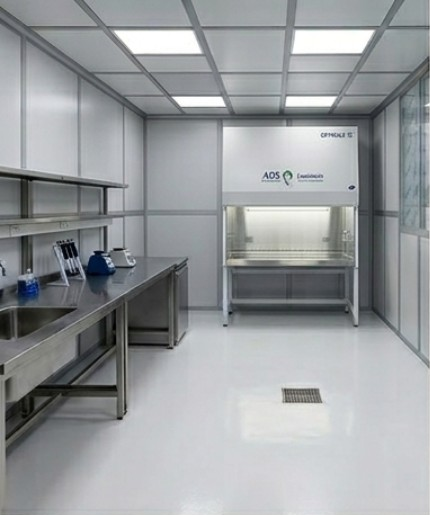
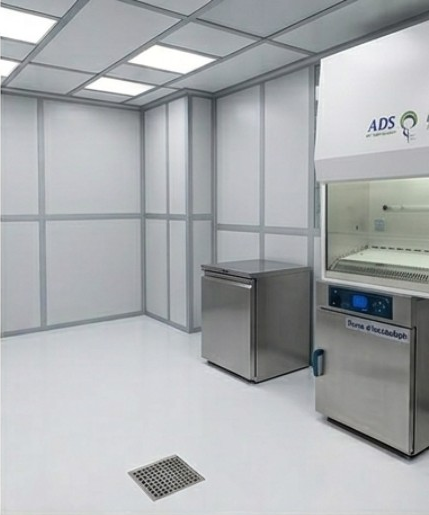
AIRSURDIS LAB connects equipment design, protocol development and experimental evaluation.
Discuss your study →DOCUMENTATION AND KNOW-HOW
Explore key topics in disinfection, qualification and contamination control.

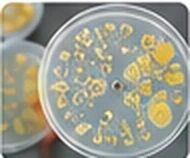
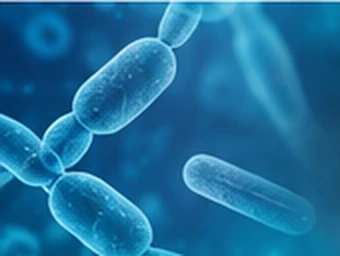
Explore eleven resources: eight new articles and three existing briefs on airborne surface disinfection, qualification and microbiological efficacy.
The eight new articles are available online with links to scientific and regulatory sources.

Our specialists help define and validate your solution.