Visible cleanliness is not enough
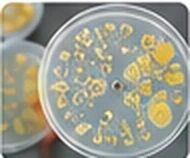
Moulds disperse through microscopic propagules such as conidia. Their survival and distribution depend on moisture, contamination sources, airflow and exposed surfaces. A surface may look clean while still harbouring viable fungal material. Source control, environmental surveillance and appropriate cleaning must precede terminal disinfection. Airborne surface disinfection cannot fix persistent leaks or poor maintenance.
There is no single worst-case for every situation
Biocide performance depends on species, biological stage, carrier and interfering matter. Bacterial spore indicators are not automatically representative of fungal spores. Aspergillus brasiliensis is included in standard fungicidal evaluations, but its interpretation must match the method and the claimed activity. Site-specific flora can justify additional tests.
Challenging locations in cleanrooms
Seals, recesses, cable passages, undersides and airflow return zones deserve particular attention. Shielded surfaces may receive less disinfectant. Process qualification should include unfavorable configurations of loading and air movement rather than only easy-to-reach positions.
What evidence is needed
A credible fungicidal claim identifies organisms, standard, test controls, reduction and cycle parameters. Performance in a test chamber does not automatically prove performance in the facility. Long-term control combines monitoring, moisture management, mechanical removal of contamination and validated disinfection.