Assess contamination-prone areas
Animal rooms, racks, cages, corridors and airlocks contain shadowed areas, varied materials and specific airflow patterns. The preliminary assessment distinguishes accessible surfaces, removable equipment and ventilation systems. Airborne surface disinfection does not replace manual cleaning or animal-facility biosafety procedures.
Prepare the facility before treatment
Airborne Surface Disinfection (ASD) requires that animals are removed from the treatment area, relevant bedding and organic contamination are cleared, and prior cleaning is completed. Ventilation management, protection of sensitive equipment and safe re-entry conditions must be established before a cycle begins.
Select and qualify the process
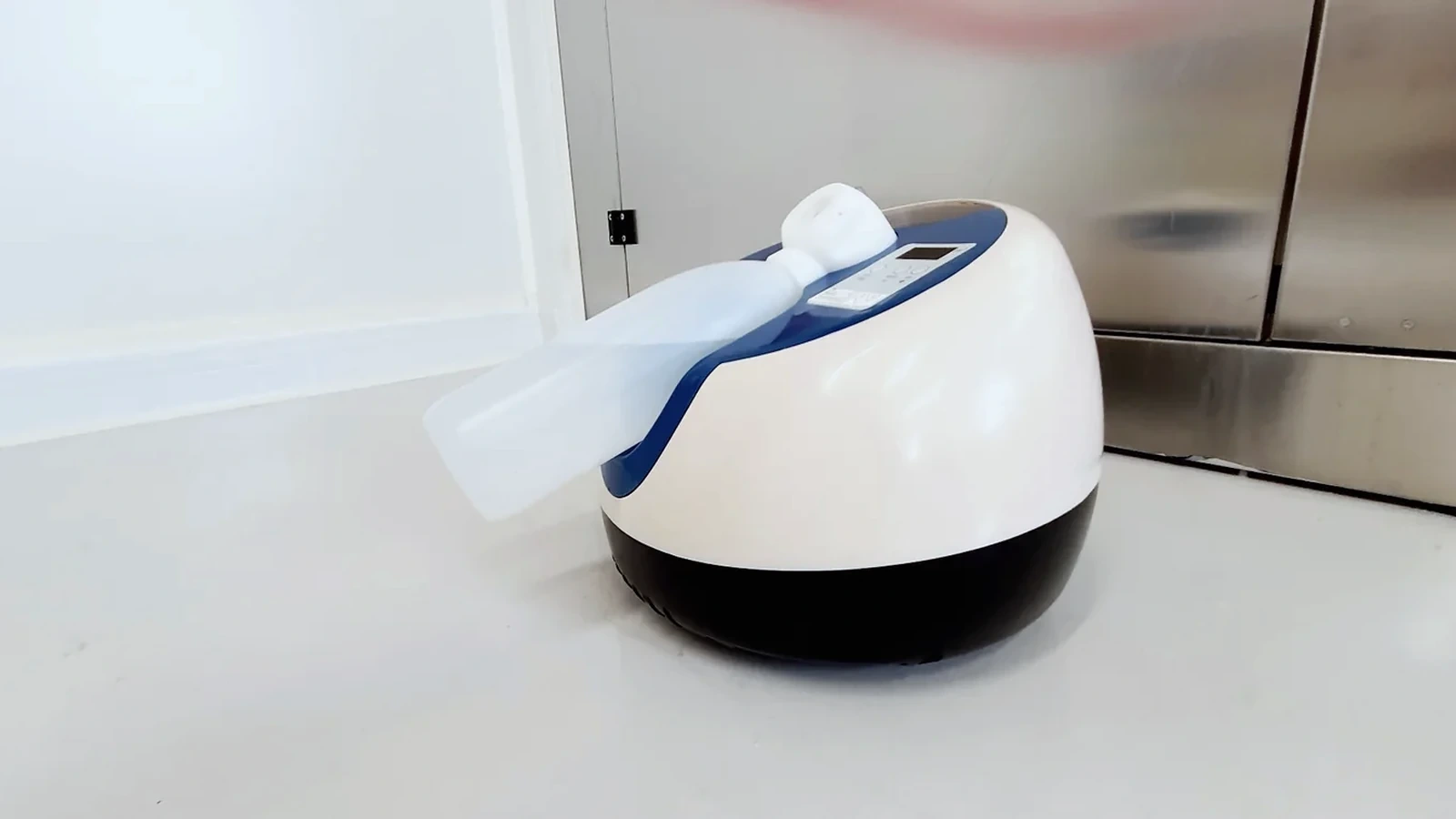
PEGASE may be considered for rooms and circulation areas in animal facilities; MO2ONE systems, according to their configuration, for other rooms or equipment. Selection depends on volume, airflow, materials, target microorganisms and available validation evidence. Worst-case locations and biological indicators must be defined for each facility.
Animals must not be present during airborne surface disinfection. Re-entry and animal return are permitted only after safety checks, including residual concentrations, and the protocol's re-entry criteria have been satisfied.